
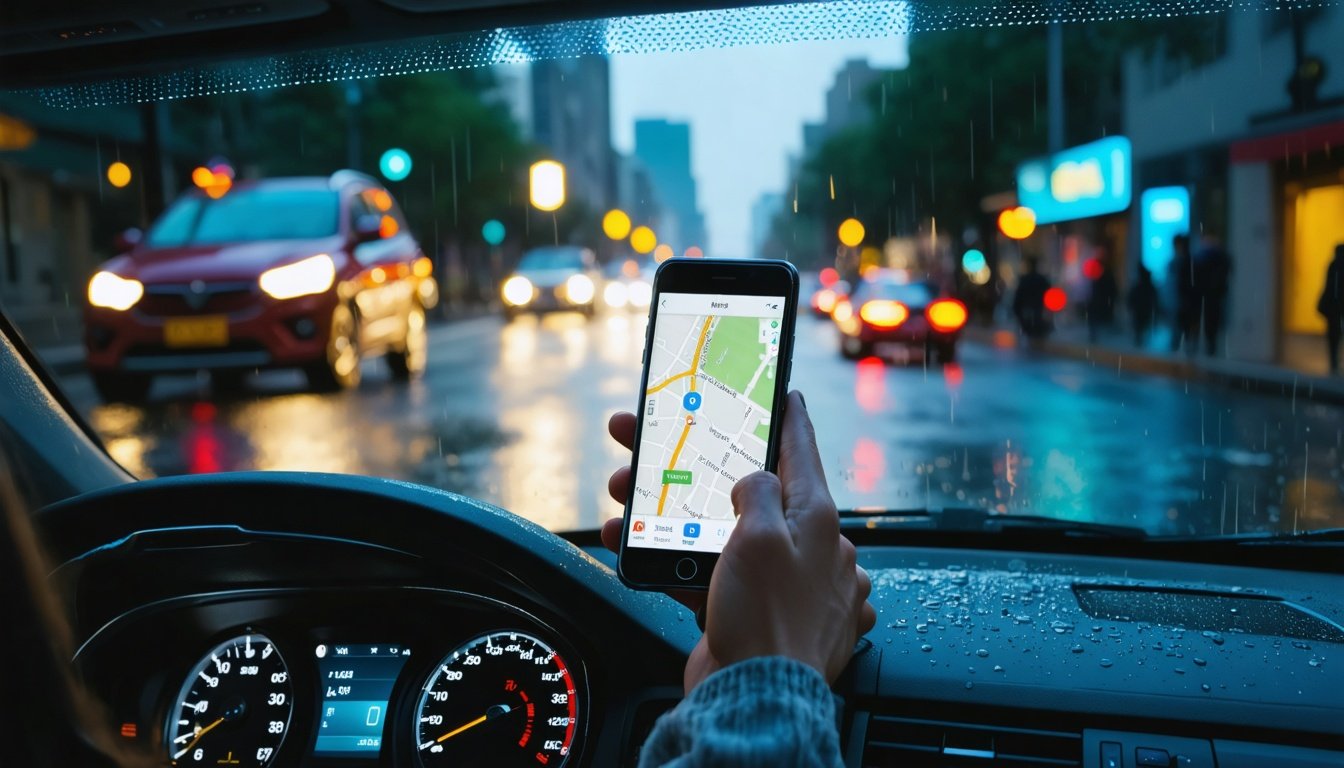
Rideshare drivers are involved in a significant number of traffic accidents across the United States each year. Studies and reports suggest that the rise of rideshare platforms like Uber and Lyft has contributed to an estimated 2 to 3 percent increase in traffic fatalities in some regions, with thousands of crashes annually tied to rideshare vehicles in active service.
There is something quietly unsettling about getting into a stranger’s car and trusting that the platform connecting you chose someone safe. Rideshare companies have grown so fast that regulation, insurance policy, and driver oversight have struggled to keep pace. The result is a legal and safety landscape that leaves passengers, pedestrians, and other drivers exposed to real risks that are not always obvious until something goes wrong.
The Scale of Rideshare Accidents in the United States
Rideshare-related crashes have grown alongside the explosive popularity of app-based transportation. According to research published by the University of Chicago and Rice University, the introduction of Uber and Lyft services in various cities was associated with a 2 to 3 percent rise in traffic fatalities, translating to roughly 987 additional deaths per year nationally during the periods studied.
Uber’s own safety reports have added further context to this picture. Uber’s 2019-2020 U.S. Safety Report disclosed approximately 91 fatal crashes involving Uber vehicles over a two-year period, resulting in 101 deaths. This data covers only one platform and does not account for the vast number of non-fatal crashes, which industry observers believe number in the tens of thousands annually across all rideshare services.
What makes these figures harder to track is that not all rideshare crashes are reported under a unified category in state or federal databases. The National Highway Traffic Safety Administration (NHTSA) does not maintain a dedicated rideshare accident classification, meaning many incidents are logged simply as motor vehicle crashes without distinguishing the commercial rideshare context.
Why Rideshare Drivers Cause More Accidents Than Average Drivers
Rideshare driving creates conditions that raise accident risk beyond what a typical private motorist faces daily. Understanding these specific factors helps explain why the crash rate among active rideshare drivers tends to be higher than the general driving population.
- Distracted driving from app use – Rideshare drivers must constantly monitor their phones to accept trips, follow GPS directions, and communicate with passengers, creating a level of distraction that exceeds what most private drivers experience.
- Driver fatigue from long shifts – Many rideshare drivers work extended hours, often late at night or early in the morning, to maximize earnings. Fatigue significantly impairs reaction time and decision-making, both of which are essential for safe driving.
- Unfamiliar routes and navigation errors – Drivers operating in new neighborhoods or dense urban areas may make sudden stops, unexpected lane changes, or illegal turns while following GPS instructions.
- Pressure to maintain high ratings – The rating system used by platforms like Uber and Lyft can push drivers to prioritize passenger satisfaction over cautious driving, such as speeding to reduce trip time.
- Pulling over in unsafe locations – Picking up and dropping off passengers often requires stopping in bus lanes, double-parking, or stopping suddenly near intersections, all of which create hazards for other road users.
- High annual mileage – Rideshare drivers log far more miles per year than the average American driver, which statistically increases their exposure to accident risk simply through time spent on the road.
How Rideshare Accident Rates Compare to Regular Drivers
Comparing rideshare accident rates to standard driver populations requires looking at data per mile driven rather than total crash counts, since rideshare drivers spend far more time on the road. On a per-mile basis, studies suggest rideshare drivers do not dramatically outperform private motorists in safety, but their elevated total mileage means the absolute number of crashes they are involved in is proportionally higher.
A key distinction is the type of accident rideshare drivers tend to cause. Research indicates a higher rate of sideswipe collisions, rear-end crashes in congested areas, and pedestrian incidents near pickup zones compared to the general driver population. These crash patterns align directly with the distraction and navigation behaviors described above.
Traditional commercial drivers, such as taxi operators, are subject to stricter licensing requirements, vehicle inspections, and regulated working hours under local transportation authority rules. Rideshare drivers operate under a lighter regulatory framework, which some traffic safety researchers argue contributes to the comparatively higher accident involvement rates seen in app-based transportation platforms.
The Three Phases of a Rideshare Trip and How They Affect Liability
Insurance coverage and legal liability in a rideshare accident depend entirely on which phase of the trip the driver was in when the crash occurred. Georgia law and the policies of Uber and Lyft divide rideshare operation into three distinct phases, each carrying different insurance implications.
Phase One: App On, No Passenger Accepted
During this phase, the driver has the rideshare app active and is waiting for a ride request but has not yet accepted one. Uber and Lyft provide limited contingent liability coverage during this period, typically $50,000 per person for bodily injury, $100,000 per accident, and $25,000 for property damage. The driver’s personal auto insurance policy may not cover accidents during this phase because most personal policies exclude commercial activity.
This gap in coverage has been a major source of legal disputes. Injured parties sometimes find themselves caught between the rideshare company’s contingent policy and a driver’s personal insurer, each attempting to shift financial responsibility to the other.
Phase Two: Ride Accepted, En Route to Passenger
Once a driver accepts a trip and is driving toward the passenger, both Uber and Lyft provide $1 million in third-party liability coverage. This higher coverage level reflects the fact that the driver is now actively performing a commercial function on behalf of the platform.
Georgia’s Transportation Network Company law, codified in O.C.G.A. § 33-1-24, requires rideshare companies operating in the state to maintain specific minimum insurance coverage levels during active trips. This statute was designed to protect both passengers and third parties injured by rideshare drivers during commercial operation.
Phase Three: Passenger in the Vehicle
The $1 million liability policy remains active throughout the trip while a passenger is in the vehicle. Uber also provides contingent collision and comprehensive coverage during this phase if the driver carries their own personal collision coverage. Lyft offers similar protections under comparable terms.
After the passenger exits the vehicle and the driver ends the trip on the app, coverage reverts to the driver’s personal insurance alone. Anyone injured in the moments after a trip officially ends faces the most restricted coverage scenario of the entire rideshare cycle.
Common Injuries in Rideshare Accidents
Rideshare accidents produce the same spectrum of physical injuries seen in other motor vehicle crashes, but the circumstances of rideshare trips can make certain injury types more common or more severe. Passengers riding in the back seat without always buckling their seatbelt, combined with sudden unexpected stops or collisions, create conditions for serious harm.
- Traumatic brain injuries (TBI) – Head impacts against windows, seat backs, or interior panels during a collision can cause concussions and more severe brain trauma, particularly for rear-seat passengers without head restraints directly behind them.
- Spinal cord and neck injuries – Whiplash, herniated discs, and cervical spine injuries are frequent results of rear-end collisions, which are among the most common crash types involving rideshare vehicles.
- Broken bones and fractures – Arm, wrist, rib, and leg fractures occur when passengers brace for impact or are struck by deployed airbags or vehicle intrusion.
- Internal injuries – Blunt force trauma to the abdomen or chest can cause damage to organs and internal bleeding that may not be immediately apparent after the crash.
- Soft tissue injuries – Muscle tears, ligament damage, and severe bruising are common even in lower-speed collisions and can result in months of pain and rehabilitation.
- Psychological trauma – Post-traumatic stress disorder, anxiety, and fear of traveling in vehicles are recognized injuries in accident cases and can have lasting effects on daily life.
Who Can Be Held Liable in a Rideshare Accident
Determining who is legally responsible for a rideshare crash is rarely straightforward. Multiple parties may share liability depending on the circumstances, and Georgia’s comparative fault rules under O.C.G.A. § 51-12-33 allow damages to be apportioned among several responsible parties.
The rideshare driver holds direct personal liability for any negligent driving behavior, including distracted driving, speeding, or failing to obey traffic signals. If the driver was on the clock during an active trip phase, the rideshare company’s commercial insurance policy becomes the primary resource for injured parties seeking compensation.
Uber and Lyft both classify their drivers as independent contractors rather than employees. This classification has historically been used to shield the companies from direct vicarious liability claims. However, courts in Georgia and across the country have examined whether the level of control these platforms exercise over drivers could support employer-employee liability arguments in specific cases.
Steps to Take After a Rideshare Accident in Georgia
Being involved in a crash with a rideshare vehicle requires specific actions to protect your legal rights and preserve evidence. Taking the right steps immediately after the accident can make a significant difference in the outcome of any future insurance or legal claim.
Call 911 and Secure the Scene
Contact emergency services immediately so police can document the accident in an official report. Georgia law requires drivers to report crashes involving injury, death, or property damage exceeding $500 under O.C.G.A. § 40-6-273, and an official police report is one of the most important pieces of evidence in any accident claim.
While waiting for police to arrive, move to a safe location if possible and do not leave the scene. Note the rideshare driver’s name, vehicle information, license plate, and whether they had the app active at the time of the crash.
Document Everything at the Scene
Take photographs of all vehicles involved, the positions of cars after the crash, visible injuries, road conditions, traffic signals, and any skid marks or debris. If witnesses are present, collect their contact information before they leave.
Screenshot the rideshare app on your phone to capture proof that you were a passenger in an active trip or that the vehicle was operating as a rideshare at the time of the crash. This digital record is often critical when establishing which insurance phase applies.
Seek Medical Attention Immediately
Go to an emergency room or urgent care facility as soon as possible, even if you feel only mild pain. Some serious injuries, including internal bleeding and spinal damage, do not produce intense symptoms immediately after a crash.
Keep all records of your medical evaluation, diagnosis, treatment plans, and bills. Gaps in medical treatment are commonly used by insurance adjusters to argue that your injuries were not serious or were caused by something other than the accident.
Report the Accident to the Rideshare Company
Both Uber and Lyft have in-app reporting tools and dedicated safety teams that handle accident reports. Notify the platform promptly, but be careful about the details you share at this early stage before consulting with an attorney.
Do not give recorded statements to any insurance company, including the rideshare company’s insurer, without first speaking to a lawyer. Statements made in the immediate aftermath of an accident can be used against you later during settlement negotiations or litigation.
Contact a Rideshare Accident Attorney
An experienced rideshare accident attorney can identify all potentially liable parties, preserve critical evidence, and deal with multiple insurance companies on your behalf. Given the layered insurance structure that applies to rideshare crashes, legal guidance is especially valuable in these cases.
Georgia’s statute of limitations for personal injury claims is two years from the date of the accident under O.C.G.A. § 9-3-33. Missing this deadline will almost certainly bar you from recovering any compensation, regardless of how strong your case is.
What Compensation Can You Recover After a Rideshare Crash
Victims of rideshare accidents in Georgia may be entitled to several categories of financial compensation depending on the severity of their injuries and the circumstances of the crash. Georgia law permits recovery for both economic and non-economic damages.
Economic damages cover measurable financial losses including current and future medical expenses, lost wages during recovery, reduced earning capacity if injuries prevent returning to the same work, and the cost of property damage to your vehicle or belongings. These losses are typically documented through medical bills, employer records, and repair estimates.
Non-economic damages address harms that do not come with a fixed dollar amount, such as physical pain and suffering, emotional distress, loss of enjoyment of life, and the impact of permanent scarring or disability. In cases involving particularly reckless or malicious conduct, Georgia courts may also award punitive damages under O.C.G.A. § 51-12-5.1, which are designed to punish the at-fault party rather than simply compensate the victim.
How Atlanta Truck Accident Law Group Can Help After a Rideshare Accident
If you or someone you love was injured in a rideshare crash in Georgia, you need a legal team that understands the specific insurance frameworks, liability rules, and litigation strategies involved in these cases. Atlanta Truck Accident Law Group has the experience to hold negligent rideshare drivers and the platforms behind them accountable.
Our attorneys know how Uber and Lyft structure their insurance policies across the three trip phases, and we know how to identify coverage gaps and pursue every available source of compensation. We handle all communications with insurance adjusters so you can focus entirely on your recovery rather than fighting legal battles on your own.
Call Atlanta Truck Accident Law Group today at (404) 458-7215 for a free consultation. Time matters in rideshare accident cases because evidence disappears and witnesses become harder to locate the longer you wait.
Frequently Asked Questions
How many accidents do Uber and Lyft drivers cause each year?
Uber’s publicly released safety data reported approximately 91 fatal crashes over a two-year period between 2017 and 2018, resulting in 101 fatalities across its platform alone. Non-fatal crashes involving rideshare vehicles are believed to number in the tens of thousands annually across both major platforms, though a precise national count is difficult because federal crash databases do not categorize rideshare involvement as a separate classification.
Can I sue Uber or Lyft directly if their driver caused my accident?
You can file a claim against the rideshare company’s commercial insurance policy, and in some circumstances you may have grounds to pursue the company directly depending on the facts of your case. Uber and Lyft classify drivers as independent contractors to limit their direct liability, but an attorney can evaluate whether the level of platform control over the driver supports a stronger claim against the company itself under Georgia law.
What if the rideshare driver was not carrying a passenger when they hit me?
If the driver had the app active but had not yet accepted a trip, limited contingent coverage from Uber or Lyft applies, typically up to $100,000 per accident for bodily injury. If the app was completely off, only the driver’s personal insurance applies, and you would pursue the claim as you would with any ordinary driver rather than through the rideshare company’s policy.
Does Georgia have specific laws about rideshare insurance?
Yes. Georgia’s Transportation Network Company statute under O.C.G.A. § 33-1-24 sets minimum insurance requirements for rideshare platforms operating in the state. The law mandates specific coverage levels depending on which operational phase the driver is in, providing a baseline of protection for passengers and third parties that companies like Uber and Lyft must meet to operate legally in Georgia.
How long do I have to file a rideshare accident claim in Georgia?
Georgia’s personal injury statute of limitations gives you two years from the date of the accident to file a lawsuit under O.C.G.A. § 9-3-33. While two years may seem like plenty of time, building a strong rideshare accident case requires early evidence collection, accident reconstruction in some cases, and thorough documentation that takes time to assemble properly.
What should I do if the rideshare driver blames me for the accident?
Georgia uses a modified comparative fault system under O.C.G.A. § 51-12-33, meaning you can still recover damages as long as you are found to be less than 50 percent at fault for the crash. If a driver or insurance company tries to shift blame onto you, an attorney can gather evidence to establish the actual sequence of events and protect your right to fair compensation.
Conclusion
Rideshare accidents are more common than many passengers realize, and the legal landscape surrounding them is genuinely complex. From layered insurance phases to independent contractor classifications, the obstacles between an injured person and fair compensation are substantial without the right legal knowledge and support.
If you were hurt in a rideshare crash in Georgia, contacting Atlanta Truck Accident Law Group at (404) 458-7215 is the most direct step you can take toward protecting your rights. The sooner you act, the stronger your position will be.