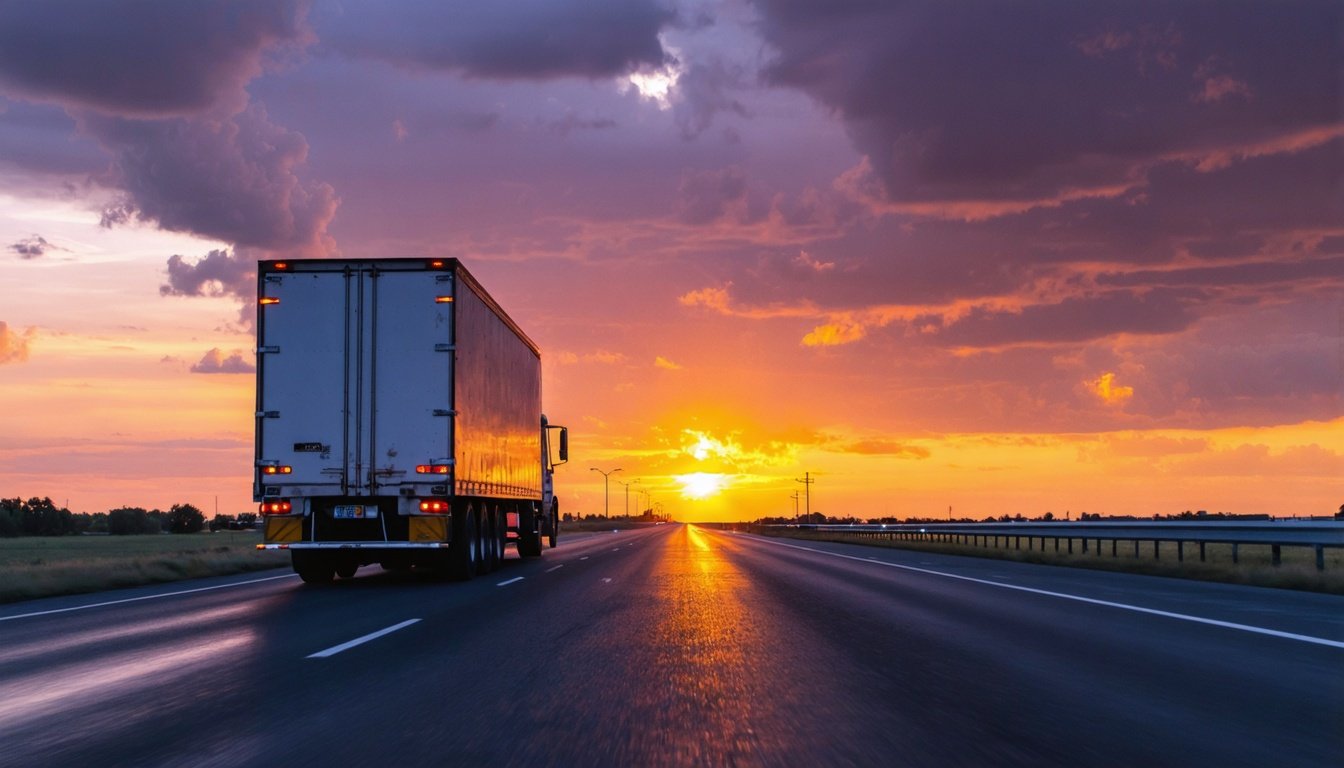
When a truck accident blocks a major road, traffic is halted or severely restricted while emergency responders, law enforcement, and hazmat teams work the scene. The road may stay closed for several hours, depending on the severity of the crash, cargo spillage, and how quickly investigators can clear the area safely.
Most people think of road blockages as just traffic headaches, but a single blocked highway from a truck accident sets off a chain of consequences that reaches far beyond the drivers stuck in line. From legal liability questions to long-term injury claims, the ripple effects of these crashes shape how victims, insurers, and courts handle the aftermath.
Why Truck Accidents Cause Major Road Blockages
Commercial trucks can weigh up to 80,000 pounds under federal weight limits set by the Federal Highway Administration. When one of these vehicles overturns, jackknifes, or collides with another vehicle, the sheer mass and size make clearing the road far more difficult than a standard car accident.
Cargo type matters too. If the truck is carrying hazardous materials regulated under the U.S. Department of Transportation’s Hazardous Materials Regulations (49 C.F.R. Parts 171-180), specialized hazmat response teams must be called in before any cleanup can start. This alone can add hours to the road closure.
How Long Does a Blocked Road Stay Closed After a Truck Accident
The length of a road closure after a truck accident depends on several overlapping factors that all must be resolved before traffic can move again.
- Crash severity – A multi-vehicle collision involving fatalities requires more thorough scene investigation than a minor fender-bender, often extending closure times significantly.
- Cargo spillage – Fuel leaks, chemical spills, or loose freight scattered across lanes all require specialized cleanup before the road is safe to reopen.
- Structural damage – If the truck struck a bridge, overpass, or guardrail, the Georgia Department of Transportation or the relevant state agency must inspect the structure before traffic resumes.
- Vehicle removal – Heavy-duty tow trucks capable of moving large commercial vehicles must be dispatched, and they are not always immediately available.
- Law enforcement investigation – Officers from the Georgia State Patrol or local agencies must document the scene thoroughly, which takes time when a serious crash is involved.
On major Georgia interstates like I-285 or I-75, closures from serious truck crashes have historically lasted anywhere from two to eight hours or more.
What Emergency Responders Do When a Truck Blocks a Road
When a truck accident blocks a road, first responders follow a coordinated sequence designed to protect lives, contain hazards, and restore traffic flow.
Secure the Scene and Treat Injuries
Police and fire units arrive first to establish a safety perimeter and stop additional vehicles from entering the crash zone. Paramedics assess and treat any injured parties, which takes priority over road clearance.
If the truck driver or other motorists are trapped, rescue personnel may need extended time for extraction. Serious injuries involving spinal trauma or crushing require careful medical protocols that cannot be rushed.
Assess Hazardous Materials
If the truck carries a placard indicating hazardous cargo, hazmat crews must identify the substance before any recovery work begins. Under Georgia law and federal regulations, improper handling of hazardous spills can create secondary emergencies.
This step often causes the longest delays. Even if the truck is not carrying flagged hazmat cargo, responders must account for diesel fuel spills, battery acid in electric vehicles nearby, and other incidental chemicals at any crash site.
Document and Investigate the Scene
Law enforcement officers photograph, measure, and document the crash scene in detail before anything is moved. Georgia State Patrol Traffic Investigators may also be called to reconstruct the accident, particularly when fatalities or serious injuries occurred.
This investigation phase protects everyone’s legal rights. Disturbing evidence prematurely can compromise injury claims and criminal proceedings alike, which is why this step must be completed thoroughly before clearance begins.
Remove Vehicles and Clear Debris
Heavy-duty towing companies contracted with state or local agencies bring specialized equipment to upright overturned trucks or drag disabled vehicles from the roadway. Cargo that spilled must be collected or contained before lanes can reopen.
The Georgia Department of Transportation may deploy HERO (Highway Emergency Response Operator) units to assist with traffic management and minor debris clearing while towing crews work.
Traffic Detour and Rerouting When a Major Road Is Blocked
A truck accident on a major road forces Georgia DOT and local traffic management centers to reroute thousands of vehicles simultaneously. Digital message boards on interstates and state routes are updated to direct drivers to alternate paths.
Georgia’s NaviGAtor system, the state’s real-time traffic management network, allows operators to monitor and respond to incidents across the state road system. When a major artery like I-20 or Highway 78 goes down, the ripple through surrounding surface streets can cause secondary congestion that lasts well after the highway reopens. Drivers in affected areas should expect delays on parallel routes as well, not just the blocked road itself.
Who Is Legally Responsible When a Truck Accident Blocks a Road
Liability for a truck accident is not always straightforward because multiple parties can share responsibility under Georgia law.
- The truck driver – Negligent driving behaviors like speeding, distracted driving, or hours-of-service violations under Federal Motor Carrier Safety Administration (FMCSA) regulations can make the driver personally liable.
- The trucking company – Under the legal theory of respondeat superior, employers can be held liable for their drivers’ negligence. Georgia courts recognize this under O.C.G.A. § 51-2-2.
- The cargo loader or shipper – If improperly secured cargo caused or worsened the crash, the party responsible for loading may share liability.
- The vehicle manufacturer – Defective brakes, tires, or other mechanical components can expose manufacturers to product liability claims.
- A government entity – Poor road design, missing signage, or deferred maintenance may implicate a state or local agency, though sovereign immunity rules under O.C.G.A. § 50-21-20 apply.
Building on this foundation, understanding liability helps injured parties and their attorneys know who to name in a claim and where to look for insurance coverage.
How a Road Blockage Affects Your Personal Injury Claim
Being involved in, or indirectly harmed by, a truck accident that blocks a major road can give rise to a personal injury claim. Georgia follows a modified comparative fault rule under O.C.G.A. § 51-12-33, which means your recovery is reduced by your percentage of fault and eliminated entirely if you are 50% or more responsible.
A blocked road adds complexity because multiple victims may file claims against the same defendant. Secondary crashes caused by poor visibility or distracted drivers stopping abruptly near the blockage can also produce additional injury claims. Documenting your injuries and the scene as quickly as possible strengthens your position, as does contacting a qualified attorney before giving any recorded statements to insurance adjusters.
What to Do If You Are Injured in a Truck Accident That Blocks a Road
Taking the right steps right after an accident directly affects both your health and your legal claim.
Call 911 and Stay at the Scene
Report the crash immediately and remain at the scene unless you need emergency medical evacuation. Leaving the scene of an accident in Georgia without reporting it can create legal problems for you under O.C.G.A. § 40-6-270.
Stay in a safe location away from traffic and the disabled vehicles. Secondary crashes near blocked roads are common and claim additional victims every year.
Seek Medical Attention Immediately
Even if you feel fine, get evaluated by medical personnel at the scene or visit an emergency room the same day. Some serious injuries, including traumatic brain injuries and internal bleeding, may not produce immediate symptoms.
Your medical records from this initial visit become key evidence in your personal injury case. Gaps between the accident date and your first medical visit can be used by insurance companies to argue your injuries were not caused by the crash.
Gather Evidence Before Leaving the Scene
If you are physically able, photograph the scene, the truck, any road blockage, debris, and your injuries. Get the truck’s license plate number, the company name on the cab, and the driver’s contact and insurance information.
Witness names and phone numbers are also valuable. Memories fade quickly, and independent witness statements often prove critical when liability is disputed.
Contact an Experienced Truck Accident Attorney
Truck accident cases involve complex federal regulations, multiple liable parties, and insurance companies with large legal teams. Contacting an attorney early means evidence is preserved and your rights are protected before the other side begins building its defense.
Atlanta Truck Accident Law Group is available at (404) 458-7215 to help injured victims understand their options and pursue the full compensation they deserve.
Economic Consequences of a Truck Accident Road Blockage
The economic fallout from a major road blockage goes well beyond the immediate crash victims. Businesses that depend on delivery schedules, commuters who lose work hours, and emergency services that divert resources all absorb real costs.
From a legal standpoint, economic damages in Georgia personal injury cases can include lost wages, medical expenses, property damage, and diminished earning capacity under O.C.G.A. § 51-12-2. In cases involving commercial drivers and freight haulers, the insured losses can run into millions of dollars when cargo damage, vehicle repair, environmental cleanup, and injury claims are combined. These large sums are exactly why trucking companies and their insurers aggressively defend these cases from the first day.
How Insurance Works After a Truck Accident Blocks a Road
Commercial trucking companies are required to carry substantially more liability insurance than private motorists. Under FMCSA regulations, most interstate carriers must carry a minimum of $750,000 in liability coverage, and carriers transporting hazardous materials must carry between $1 million and $5 million depending on the substance.
Georgia’s uninsured motorist coverage laws under O.C.G.A. § 33-7-11 may also come into play if the at-fault party’s coverage is insufficient to compensate all victims. Multiple injured parties from a single blocked-road crash may be competing for the same pool of insurance funds, which is one more reason to retain legal representation quickly.
Frequently Asked Questions
Can I sue for damages if a truck accident caused me to miss work or crash into stopped traffic?
Yes, you may have a valid claim depending on your specific circumstances and role in the incident. If you were involved in a secondary crash caused by a sudden traffic stoppage from the blocked road, you may be able to pursue a claim against the party whose negligence caused the original truck accident. Under Georgia’s modified comparative fault rules in O.C.G.A. § 51-12-33, your ability to recover depends on whether your own actions contributed to the secondary crash and by what percentage.
How long do I have to file a claim after a truck accident in Georgia?
Georgia’s statute of limitations for personal injury claims is generally two years from the date of the accident under O.C.G.A. § 9-3-33. Claims involving government entities have much shorter notice requirements, sometimes as brief as six months from the date of injury under O.C.G.A. § 36-33-5 for municipalities. Missing these deadlines almost always results in losing your right to recover any compensation, which is why contacting an attorney as soon as possible after a truck accident is essential.
What agency investigates truck accidents on Georgia highways?
The Georgia State Patrol is typically the primary law enforcement agency that responds to and investigates truck accidents on state highways and interstates. For crashes involving commercial vehicles, the Motor Carrier Compliance Division of the Georgia Department of Public Safety may also conduct an inspection of the truck’s logs, equipment, and compliance records. Federal investigators from the National Transportation Safety Board may be involved if the crash is particularly severe or involves multiple fatalities.
Who pays for the road cleanup and damage caused by a truck accident?
The at-fault party’s insurer is typically responsible for covering road cleanup costs, including hazmat remediation, structural repairs, and debris removal. Georgia DOT and local governments may bill the responsible party or their insurer directly for these expenses. In some cases, cleanup costs become part of the overall damages claimed in litigation, particularly when the accident caused significant environmental contamination.
Does a road blockage affect how fault is determined in a truck accident?
The road blockage itself can actually serve as evidence of the crash’s severity and the disruption it caused, which can support claims for both direct and indirect damages. Investigators use the position of vehicles, debris patterns, and the area affected by the blockage to reconstruct how the crash happened and who bore responsibility. Georgia courts allow this kind of physical and documentary evidence to support or refute claims made by any party involved.
Conclusion
A truck accident that blocks a major road is not simply a traffic inconvenience. It sets off a legal, financial, and logistical chain of events that can affect dozens of people, from direct crash victims to motorists caught in secondary collisions. Understanding your rights, the process emergency responders follow, and who holds liability gives you a real advantage if you find yourself caught up in one of these incidents.
If you or someone you know was injured in a truck accident that shut down a Georgia road, the Atlanta Truck Accident Law Group is ready to help. Call (404) 458-7215 today to speak with an attorney who can assess your situation and fight for the full compensation you deserve.